Proudly Serving Northern New Jersey, Rockland County & Manhattan

Call Us Right Now:973.839.6228

Categories
Termites

What Should I Do If My Home Is Infested with Termites?

Discovering termites in your home can be a distressing experience. These silent destroyers can cause significant damage to wooden structures, often going unnoticed until the damage is severe. If you suspect a termite infestation in your home, taking immediate and effective action is crucial to protect your property and prevent further damage. Here’s a step-by-step guide on what to do if you find yourself facing a termite problem.

Step 1: Confirm the Infestation

The first step is to determine if you’re indeed dealing with termites. Look for common signs of termite activity, such as:

  • Wood that sounds hollow when tapped
  • Cracks or bubbling in paint
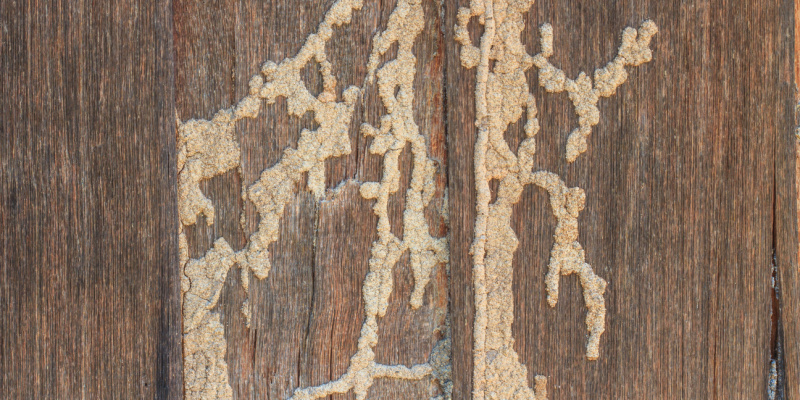
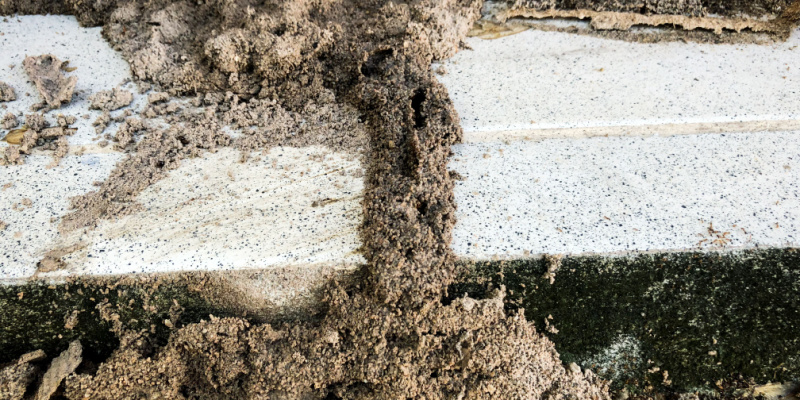
  • Mud tubes on exterior walls
  • Frass (termite droppings) near wood structures
  • Discarded wings from swarmer termites

If you notice any of these signs, it’s likely you have a termite issue.

Step 2: Identify the Type of Termites

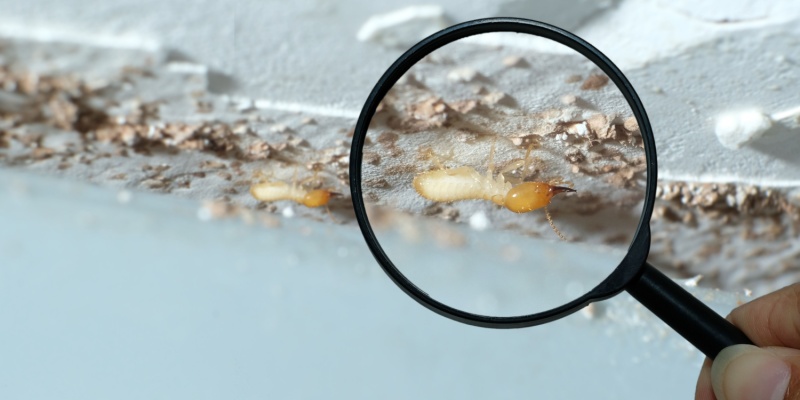
Understanding the type of termite you’re dealing with is important, as it can influence the treatment method. The most common types are subterranean termites, which build mud tubes for moisture while they eat wood, and drywood termites, which live directly inside wood. This is a step that you will likely need to have professional assistance with because it is difficult to determine the type of termite without any type of training.

Step 3: Don’t Disturb Them

While it might be tempting to poke around or try to remove termites yourself, disturbing them can cause the colony to spread and potentially worsen the infestation.

Step 4: Contact a Professional Pest Control Service

Termite eradication requires professional treatment. Pest control experts have the knowledge, experience, and equipment necessary to effectively treat termite infestations. They can provide a thorough inspection, identify the extent of the damage, and recommend the best treatment plan.

Step 5: Treatment

Professional pest control services may use a variety of treatment methods depending on the type of termites and the severity of the infestation. Common treatments include:

  • Liquid termiticides to create a barrier around your home
  • Baiting systems to eliminate the colony
  • Fumigation for severe drywood termite infestations

Step 6: Repair and Prevention

After eradicating the termites, repairing any structural damage is essential. Additionally, take preventive measures to avoid future infestations. These can include:

  • Reducing moisture around the foundation of your home
  • Keeping woodpiles and debris away from your home’s exterior
  • Regularly inspecting your home for signs of termite activity

Step 7: Ongoing Monitoring

Even after treatment, maintaining vigilance is key. Regular inspections can help detect any new termite activity early on, preventing another full-blown infestation.

Dealing with a termite infestation can be challenging, but with prompt and appropriate action, you can protect your home and mitigate damage. Confirming the presence of termites, understanding the type you’re dealing with, and enlisting the help of pest control professionals are crucial steps in addressing the problem. Following treatment, repairing damage and implementing preventive measures will help keep your home termite-free in the long run. Remember, the sooner you act, the better your chances of minimizing the impact of these destructive pests on your property.
Categories
Termites

Do Termites Cause Expensive Damage?

It is estimated that termites cause more than $5 billion in damages annually in the United States. Homeowners who do not identify and treat infestations quickly may face a hefty bill for repairs. Termites are a common pest that can cause significant damage to homes if left unchecked. These tiny insects feed on the cellulose found in wood, which can weaken and eventually destroy the structural integrity of a home. Due to the silent nature of their infestation, termite damage can be costly to repair by the time it is identified.

The Extent of Termite Damage

Termites are a common problem for homeowners and can cause extensive damage to buildings, furniture, and other materials. They feed on wood, but they also eat paper, books, insulation, and even swimming pools. Because of these dangers, it is crucial to understand the extent of termite damage that can occur to protect your home or business adequately.

The amount of destruction caused by termites depends on several factors such as the size of the infestation and the type of termite that has invaded your property.

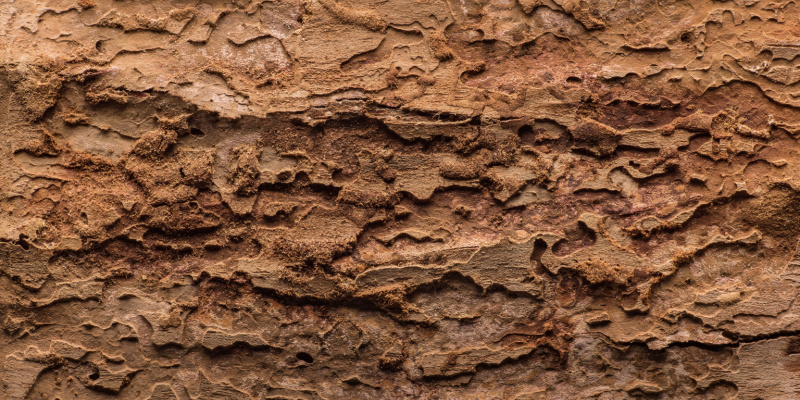
  • Types of Termites: Subterranean termites are notorious for their destructive nature as they consume wood from the inside out leaving behind thin layers that often go undetected until major damage has been done. Drywood termites may be less destructive than subterranean species but still consume wood, causing severe structural problems if left unchecked.
  • Length of Time of Infestation: The length of the infestation can have a significant impact on the extent of the damage. Therefore, it is vital to act quickly when any signs of termites are spotted, as early intervention can help prevent severe destruction from occurring over time. The first step to tackling a termite infestation is identifying whether or not you have one in your home. Signs include hollow-sounding wood, mud tubes, and swarms of winged insects around windows and doors. If any of these signs are noticed, then it’s best to call an experienced technician for help. A pest professional will be able to assess the situation and determine how long the colony has been active and what needs to be done to eliminate them from the property effectively.

Why is Termite Damage Expensive?

  • It’s hard to detect in the early stages: One of the main reasons that termite damage can be so expensive is that it is often only discovered once it is quite advanced. Termites are subterranean creatures that work silently, eating away the wood from the inside, making it difficult to detect until the damage is severe. By the time the infestation is discovered, the termites have already caused extensive damage to the home’s structural integrity. This can lead to costly repairs, such as replacing entire sections of the house or even rebuilding it.
  • The type of repair work needed can be pricey: The cost of termite damage is often determined by the extent of the infestation and the type of repair work needed. For instance, if a home has experienced structural damage due to wood rot or other factors caused by termites, it will likely require major structural repairs, which can be very costly. Additionally, termites tend to feed on wood and other cellulose materials like paper and cardboard boxes – all of which must be wholly replaced when damaged by these pests. This can add up quickly if an area of your home has been affected by termites for an extended period.

In conclusion, termite damage can cost homeowners tens of thousands of dollars if left untreated. Abarb Pest Services is the perfect resource to help identify, control, and eliminate termite damage. Due to their years of experience, they can be sure your home will be protected from destructive termites.

Categories
Termites

How Do I Know If My Home Has Termites?

Just the thought of having termites in one’s home can cause one to shudder with aversion. Termites are tiny insects which feed on wood and other cellulose-based materials and can cause extensive damage to the structure of a home if left unchecked. Unfortunately, termites can be difficult to detect, and many homeowners are unaware that they have a termite infestation until significant damage has already been done. Luckily, this article will help you determine some clear signs that can indicate your home has termites.

Mud Tubes

The first sign of a termite infestation is often the presence of small, mud-like tubes on the home’s exterior. Termites use these tubes to travel between the ground and the wood in the home’s structure. They can be found on walls, foundations, and other areas where the wood in the house comes into contact with the ground.

Blistering Wood

One of the main signs of an infestation is blistering wood, which occurs when termites create tunnels and cavities beneath the surface of the wood. This causes pressure and raises small bumps, or blisters, on the surface of the wood. Homeowners should inspect for blistering wood around window frames and door frames as this is typically where termite activity begins.

Swarmers

Another sign of a termite infestation is the presence of winged termites, also known as swarmers. These termites are larger than worker termites and have two pairs of wings. They are often seen near windows and doors and are most active during spring and summer. They also will often leave their discarded wings behind.

Hollow Sounds

Another common signs of a potential termite infestation is a hollow sound when tapping on wood in your home or business. This hollow sound is caused by termites eating out the interior of wooden structures, weakening it over time. It’s important to be vigilant and investigate any occurrence of this phenomenon as soon as possible, as an unchecked infestation can result in costly repairs or even structural damage down the line.

Detecting Termites

  • Visually
    If you suspect that your home has termites, it is vital to have a professional inspect the property as soon as possible. A professional termite inspector will be able to identify the type of termite and the extent of the infestation and recommend a course of treatment.
  • Specialized Tools
    In addition to visual inspections, termite inspection may include specialized tools such as moisture meters, infrared cameras, and listening devices. Moisture meters can detect the presence of moisture in wood, which is an indication of a termite infestation. Infrared cameras can detect the presence of termites behind walls and in other hidden areas. Finally, listening devices can be used to detect the sound of termites eating wood.
  • Baiting
    Another effective way to detect termites is through termite baiting. Termite baits are placed in the ground around the home and are designed to attract termites. Once the termites have consumed the bait, they will take it back to the colony, thereby eliminating the colony.
  • Regular Inspections
    It is important to note that termites can be present in a home for years without being detected. Therefore, it is essential to have regular termite inspections, especially if you live in an area where termites are known to be a problem.

In conclusion, termite infestation is a serious problem that can cause significant damage to your home. If you suspect your home has termites, it’s essential to seek professional help to identify and address the issue as quickly as possible. Abarb Pest Services can provide the expertise and experience needed to eliminate termites from your property successfully. So call them today!

Categories
Pest Control Termites

How Often Should I Have My Home Inspected for Termites?

You may not think termites are a real threat to your home, but they truly can be! Termites are a common pest that can cause significant damage to homes if left unchecked. Regular inspections are an essential part of protecting your home from termite infestations. How often should these inspections take place?

  • Frequency Factors: The frequency of termite inspections depends on several factors, including the age of your home, the location of your house, the type of construction, and the climate in your area. If you live in an area with a high risk of termite infestations, it is recommended that you have your home inspected at least once a year. This is especially true if your home is older or made of wood, as termites are drawn to these materials.
  • Age of the Home: Termite inspections are a necessary part of owning a home; however, the frequency of these inspections depends on the age of your home. If you live in an older home, your inspection should be done every one to two years. This is due to the fact that structures built before 1990 may not have as much protection from termites as newer homes do. On the other hand, if you own a new or recently remodeled home, you might get away with having an inspection every three to five years.
  • Location of the Home: Properties located near wooded areas should also be checked more often than those in open fields. This is because termites prefer moist and dark environments where they can thrive undetected.
  • Type of Home Construction: Homes built with wood frames are particularly vulnerable since they offer an ideal environment for termites to thrive. As such, these homes should be inspected at least once a year by a professional pest control company to ensure that any signs of an infestation are caught before too much damage occurs. When it comes to brick or concrete structures, the risk is lower but still present. In this situation, homeowners should have their property inspected every three to five years as a preventive measure against undetected infestation.
  • Climate: Generally speaking, locations with warm, humid climates may require more frequent inspection than those with cooler temperatures. For example, a homeowner should plan to have an inspection done every two to three years in warmer regions, like Florida or California. This is because these humid areas provide ideal nesting grounds for termites. Also, since some species of termites can cause extensive damage to homes within just a few months’ time, having regular inspections is key in identifying potential issues early on and taking steps to prevent further damage.

How Often?

If you live in an area with a moderate to low risk of termite infestations, you may be able to go longer between inspections. In these cases, having your home inspected at least once every three to five years is still essential. This will help to ensure that any potential infestations are dealt with before they have a chance to cause significant damage.

In conclusion, regularly inspecting your home for termites is important. The frequency of inspections depends on several factors, including the age of your home, the type of construction, and the climate in your area. Also, consider any sudden changes in the environment of your home as a cue to call a pest control expert. If you are unsure when to schedule an inspection, contacting a local pest service such as Abarb Pest Services may be beneficial. Being proactive and vigilant about termite inspections can help protect your home from costly damage and repairs and give you peace of mind.

Categories
Termites

How to Eliminate a Termite Infestation

Having a termite infestation in your home can be a nightmare. Not only can they cause extensive and costly damage to the structure of your property, but these pests are notoriously difficult to get rid of. However, with proper knowledge and care, it is possible to eliminate a termite infestation before the situation gets out of hand. In this article, we provide easy-to-follow steps to prevent and efficiently eliminate a termite infestation from your home.

There are several different methods for eliminating termite infestations, including:

  • Chemical treatments: This is the most common method of eliminating termites. Chemical treatments involve the use of pesticides to kill termites. These pesticides can be applied to the soil around the foundation of your home, or they can be injected into the walls of your home. Chemical treatments are typically effective, but they can be dangerous if not used properly, so it is essential to have a professional handle the application.
  • Baiting systems: Baiting systems are another standard method of eliminating termites. These systems use bait stations that are placed around your home. The termites are attracted to the bait and then poisoned when they eat it. Baiting systems can be effective but can take months to work. Patience is key.
  • Heat treatments: Heat treatments involve heating the affected area of your home to a high temperature to kill the termites. This method is relatively new, but it can be effective, especially in cases where the infestation is confined to a specific area.
  • Physical removal: In some cases, the termites can be physically removed from your home. This method is typically used in conjunction with other methods, such as chemical treatments or baiting systems.
  • Hire a Professional: The most crucial step in eliminating a termite infestation is to have a professional termite inspector come to your home to assess the situation. A professional inspector will be able to identify the type of termites present in your home and determine the extent of the infestation. They will also be able to recommend the best course of action for eliminating the problem.

Prevention

Once the infestation is eliminated, it is vital to take steps to prevent it from happening again in the future. These steps include:

  • Keeping the area around your home clear of debris and wood piles.
  • Repairing any leaks or damage to the foundation of your home.
  • Making sure that any wood in your home is properly treated and sealed.
  • Installing termite barriers around your home to prevent termites from entering.
  • Having regular inspections. It is essential to schedule routine inspections from a professional to check for any signs of termite infestation and take action before it becomes severe.

Notably, eliminating a termite infestation can be challenging and may require multiple treatments. It may also take several months to solve the problem entirely. However, with the help of a professional and persistence in preventative measures, it is possible to eliminate a termite infestation and protect your home.

In conclusion, it is clear that there are effective solutions to a termite infestation, and Abarb Pest Services make it easy! With their experienced staff and quality services, you can find the right solution for your problem. They also offer personalized treatments unique to each situation, as they understand no two infestations are the same. Furthermore, they ensure that customers receive long-lasting results from the treatment.