
Proudly Serving Northern New Jersey, Rockland County & Manhattan

Call Us Right Now:973.839.6228

Categories
Bees & Wasps

Common Places You Find Bee and Wasp Nests

Bees and wasps are fascinating and essential insects in our ecosystem, but when they build nests in close proximity to human activity, it can pose potential risks. Understanding the common places where bee and wasp nests are often found can help you be more aware and take appropriate measures to coexist safely. Let’s investigate the typical hiding spots of these insects and provide insights into their behavior to promote a harmonious balance between nature and human habitats.

1. Eaves and Overhangs

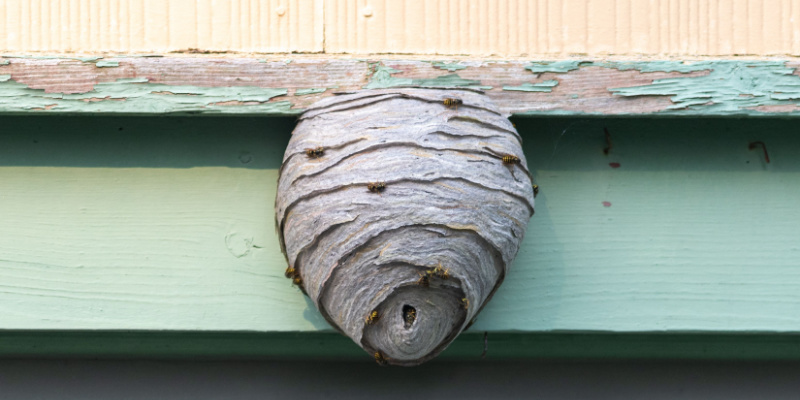
One of the most frequent locations for bee and wasp nests is under eaves, roof overhangs, and other sheltered spots on buildings. These areas provide protection from the elements and easy access to nearby food sources, making them ideal nesting sites. Yellowjackets and paper wasps, in particular, are notorious for building their nests in these sheltered locations.

2. Trees and Shrubs

Bees and wasps often choose trees and shrubs as nesting spots due to the availability of both shelter and food sources. Trees with hollows or cavities, such as dead trees or tree stumps, can provide suitable nesting sites for certain species of bees. Similarly, shrubs with dense foliage can offer bees and wasps a hidden spot to establish their nests.

3. Attics and Wall Voids

Bee and wasp nests hidden within attics and wall voids can pose unique challenges for homeowners. In search of secure and secluded locations, these insects can find their way into your home through small openings and build nests in these spaces. The insulation and structural materials provide warmth and protection, making attics and wall voids attractive nesting sites.

4. Underground Burrows

Some species of bees, such as ground-nesting bees and yellowjackets, prefer to establish their nests underground. These insects create burrows in the soil where they construct their nests. These nests can be found in gardens, lawns, and other outdoor areas with loose soil.

5. Roof Rafters and Ceiling Joists

Within structures like barns, sheds, and garages, roof rafters and ceiling joists offer suitable spots for bees and wasps to build their nests. These locations provide stability and support for the nest while allowing the insects to remain hidden from view.

6. Outdoor Furniture and Equipment

Unused outdoor furniture, gardening equipment, and playground equipment can become potential nesting sites for bees and wasps. These objects provide the insects with sheltered and undisturbed areas where they can establish their nests away from human activity.

7. Utility Boxes and Electrical Fixtures

In urban environments, utility boxes, electrical fixtures, and junction boxes may provide appealing nesting spots for certain bee and wasp species. The enclosed spaces and warmth generated by these structures can mimic natural nesting conditions.

8. Unattended Containers

Containers such as barrels, buckets, and even children’s toys left outdoors can become nesting sites for ground-nesting bees and wasps. The insects take advantage of the hollow spaces within these items to create their nests.

9. Garden Structures

Garden structures, such as pergolas, trellises, and gazebos, can also be chosen by bees and wasps for nest construction. The structure’s design can offer both protection and stability, making it an attractive location for these insects.

As important pollinators and contributors to our ecosystem, bees and wasps play a vital role in maintaining biodiversity. However, their presence near human habitats can lead to potential risks and conflicts. By understanding the common places where bee and wasp nests are found, you can take proactive steps to prevent or manage infestations. When dealing with nests, it’s often best to seek professional assistance from Abarb Pest Services to ensure the safety of both humans and these essential insects. By fostering a coexisting environment that respects the habitats of bees and wasps, we can strike a balance between conservation and human comfort.
Categories
Bees & Wasps

How Do I Get Rid of a Wasp Nest?

Discovering a wasp nest on your property can be a cause for concern. While wasps play a vital role in pollination and insect control, their presence near human activity can pose potential risks. Removing a wasp nest requires careful planning and execution to ensure your safety and the well-being of these beneficial insects. Here are the steps to safely get rid of a wasp nest, helping you confidently navigate the process.

1. Identify the Wasp Species

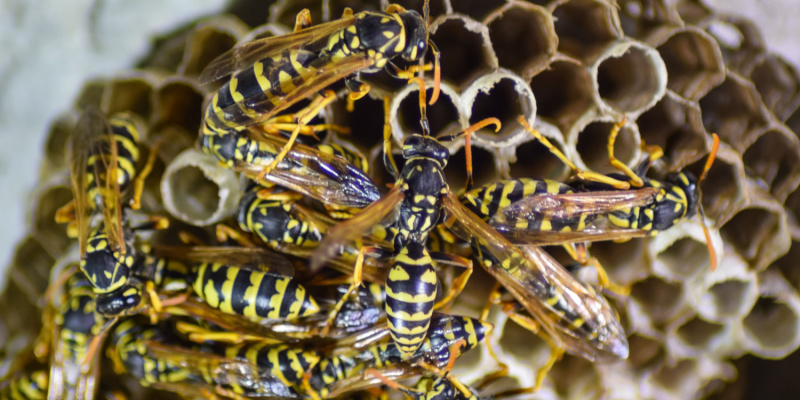
Before attempting to remove a wasp nest, it’s essential to identify the species you’re dealing with. Different wasp species exhibit varying behaviors and nest characteristics. Yellowjackets, for example, build papery nests with a visible entrance hole, while mud daubers create distinctive mud nests. Knowing the species can help you determine the best approach for removal.

2. Choose the Right Time

Timing is crucial when removing a wasp nest. The best time to attempt nest removal is during the early morning or late evening when wasps are less active and most of them are inside the nest. Cooler temperatures during these hours reduce the likelihood of encountering aggressive wasps.

3. Gather Safety Gear

Protective clothing is essential to minimize the risk of stings during nest removal. Wear long sleeves, pants, gloves, and a hat with a veil or netting to shield your face. Ensure that clothing is light-colored, as dark colors may provoke wasps. If you’re allergic to stings, hiring a professional pest control service is advisable.

4. Choose a Removal Method

There are a few methods to consider for removing a wasp nest:

  • Chemical Insecticides

Some commercial insecticides are designed specifically for wasp nest elimination. Choose a product labeled for wasp control, and follow the manufacturer’s instructions carefully. Apply the insecticide during the recommended time to increase its effectiveness.

  • Soap and Water Solution

A dish soap and water mixture can be an effective and environmentally-friendly solution. Mix the solution in a spray bottle and spray it directly onto the nest in the evening. The soap will suffocate the wasps.

  • Vacuuming

If the nest is small and accessible, using a vacuum cleaner with a long hose attachment can be an option. Attach the hose to the nest entrance and turn on the vacuum, sucking up the wasps and nest. Dispose of the vacuum bag immediately to prevent any surviving wasps from escaping.

5. Approach with Caution

When approaching the nest, move slowly and avoid making sudden movements that might alarm the wasps. Stay calm and focused, and maintain a safe distance while applying the chosen removal method.

6. Wait and Observe

After treating the nest, wait for a period (typically a day or two) to ensure that the wasps have been eliminated. Monitor the nest from a safe distance to confirm that no wasp activity is observed.

7. Proper Disposal

Once you’re certain that the nest is inactive, it’s time to dispose of it. Carefully detach the nest from its location using a long pole or a rake. Place the nest in a sealed plastic bag and dispose of it in an outdoor trash bin.

8. Prevent Future Nests

To minimize the chances of future wasp nests, take preventive measures such as sealing gaps and cracks in your home’s exterior, removing potential food sources (like fallen fruit), and keeping outdoor trash bins tightly closed.

Removing a wasp nest requires careful planning, protective gear, and a clear understanding of wasp behavior. While some homeowners may choose to tackle nest removal themselves, it’s important to prioritize safety and be prepared to contact professional pest control experts like Abarb Pest Services. By following these steps and taking preventive measures, you can safely and effectively eliminate wasp nests while maintaining a harmonious coexistence with these pollinators.