
Proudly Serving Northern New Jersey, Rockland County & Manhattan

Call Us Right Now:973.839.6228

Categories
Bed Bugs

What Do Bed Bugs Look Like?

Bed bugs are small, elusive pests that have become a common problem in many homes and businesses. Knowing what they look like is the first step in identifying an infestation and seeking appropriate treatment. This guide will provide a detailed description of bed bugs, their life stages, and signs to look out for.

Physical Characteristics of Bed Bugs

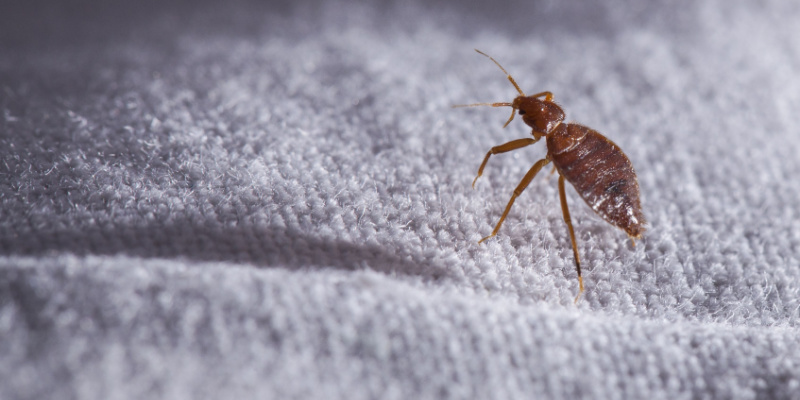
Bed bugs are wingless insects with a distinct appearance:

1. Size

Adult bed bugs are about the size of an apple seed, typically measuring 4-5 millimeters in length.

2. Shape

They have oval, flat bodies when unfed. After feeding, their bodies become more elongated and swollen.

3. Color

Unfed bed bugs are a reddish-brown color. After a blood meal, they turn a more reddish color due to the blood they have consumed.

4. Other Features

Bed bugs have six legs and two antennae. They do not have wings and cannot fly.

The Life Stages of Bed Bugs

Understanding the life cycle of bed bugs is crucial for identification:

1. Eggs

Bed bug eggs are tiny, about the size of a pinhead, and are white or pearl-colored.

2. Nymphs

Juvenile bed bugs, or nymphs, go through five stages before becoming adults. They are smaller than adults and are often translucent or lighter in color. Nymphs can be difficult to spot without magnification.

3. Adults

Adults are the easiest to spot due to their size and color.

Signs of a Bed Bug Infestation

In addition to spotting the bugs themselves, there are other signs of an infestation:

  • Bites

Bed bug bites are often the first sign of an infestation. They appear as small, red, itchy welts, typically in a line or cluster.

  • Fecal Spots

Bed bugs leave behind small, dark spots of fecal matter on bedding, mattresses, and nearby surfaces.

  • Blood Stains

Small blood stains may be visible on sheets or pillowcases.

  • Shed Skins

As bed bugs grow, they shed their skins, leaving behind small, translucent exoskeletons.

  • Odor

A heavy infestation can produce a musty, sweet odor caused by the bed bugs’ scent glands.

Challenges in Identifying Bed Bugs

Bed bugs can be mistaken for other insects like carpet beetles or immature cockroaches. However, their distinct feeding pattern, the presence of fecal spots, and their characteristic smell can help distinguish them.

Professional Identification and Treatment

If you suspect a bed bug infestation, it’s advisable to seek professional help. Pest control experts can accurately identify bed bugs and recommend the most effective treatment methods.

Preventive Measures

To prevent bed bug infestations:

  • Regular Inspection

Regularly inspect your sleeping areas, especially if you’ve traveled recently.

  • Travel Precautions

Be vigilant in hotels, checking beds and luggage stands.

  • Reduce Clutter

This reduces hiding places for bed bugs.

  • Use Protective Covers

Encasing mattresses and box springs can help detect and contain bed bugs.

Identifying bed bugs is crucial to managing an infestation. These pests are small, have distinctive physical characteristics, and leave behind telltale signs like bites, fecal spots, and shed skin. If you suspect an infestation, professional identification and treatment are recommended. Taking preventive measures can also help keep your home bed bug-free. Early detection and professional help are key to effectively dealing with bed bugs.
Categories
Bed Bugs

Bed Bug Control Experts in Bergen County, NJ

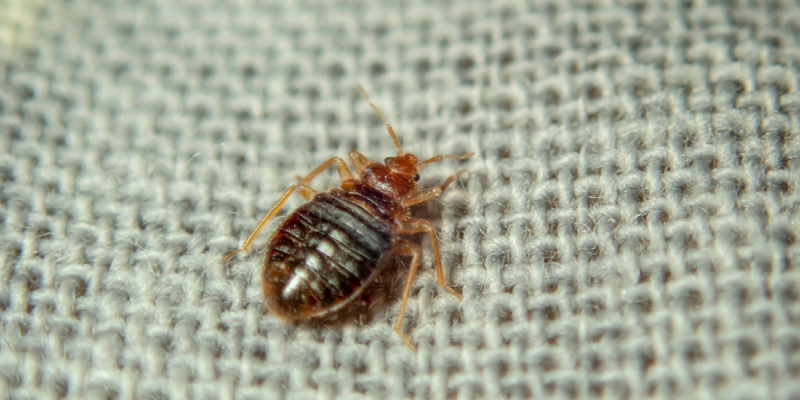
Bergen County, NJ, like many urban and suburban areas, faces a growing challenge with bed bugs. These small, elusive pests are known for their resilience and ability to spread rapidly. Bed bugs can hitch a ride on clothing, luggage, and furniture, making their way into homes and businesses with ease. Once established, they are notoriously difficult to eradicate, causing significant discomfort and stress.

Understanding Bed Bugs: Behavior and Risks

Bed bugs are small, nocturnal insects that feed on human blood. They are not known to transmit diseases, but their bites can cause itching, allergic reactions, and sleep disturbances. Understanding their behavior is key to effective control. They are experts at hiding, often found in mattresses, bed frames, furniture, and even behind wallpaper.

Why DIY Methods Often Fail

Many homeowners attempt to tackle bed bugs using over-the-counter sprays, powders, or home remedies. However, these methods are usually ineffective against a full-blown infestation for several reasons:

1. Limited Reach

DIY treatments often fail to reach all the hidden spots where bed bugs reside.

2. Resistance

Bed bugs have developed resistance to many common pesticides.

3. Re-infestation

Without a comprehensive approach, re-infestation is likely.

The Need for Professional Intervention

Professional bed bug control services offer the expertise and tools necessary to effectively combat bed bug infestations. They provide several advantages over DIY methods:

1. Thorough Inspection

Professionals conduct comprehensive inspections to determine the extent of the infestation.

2. Advanced Treatment Methods

They use a combination of treatments, including heat treatment, steam, and insecticides, which are more effective and thorough.

3. Follow-up and Monitoring

Professionals offer follow-up services to ensure that the infestation is completely eradicated.

4. Expertise and Experience

They bring a deep understanding of bed bug behavior and the most effective control strategies.

Integrated Pest Management (IPM) Approach

An Integrated Pest Management approach is often the most effective strategy against bed bugs. This involves:

1. Inspection and Identification

Accurately identifying the extent and location of the infestation.

2. Treatment

Using a combination of chemical and non-chemical methods tailored to the specific situation.

3. Prevention

Implementing strategies to prevent future infestations, such as regular monitoring and education on avoiding bed bug introductions.

Preventive Measures for Homeowners

There are several steps homeowners can take to reduce the risk of bed bug infestations:

1. Regular Inspection

Regularly inspect sleeping areas, especially when returning from travel.

2. Clutter Reduction

Reduce clutter where bed bugs can hide.

3. Mattress and Box Spring Encasements

Use protective covers to make it easier to spot and contain bed bugs.

4. Travel Caution

Be vigilant about inspecting hotel rooms and managing luggage during travel.

Choosing the Right Bed Bug Control Service

When selecting a bed bug control service in Bergen County, consider their experience, treatment methods, and customer reviews. Look for services that offer a comprehensive approach, including inspection, treatment, and follow-up.

Bed bug infestations are a serious concern in Bergen County, NJ, requiring more than just DIY solutions. Professional bed bug control experts offer the necessary expertise, tools, and strategies to effectively manage and eradicate these pests. Homeowners play a critical role in prevention and, together with professional intervention, can maintain a bed bug-free environment. Remember, early detection and professional treatment are key to controlling bed bugs successfully.