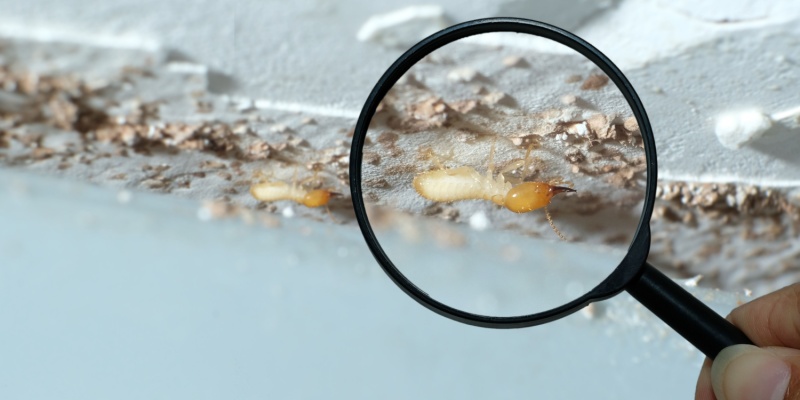
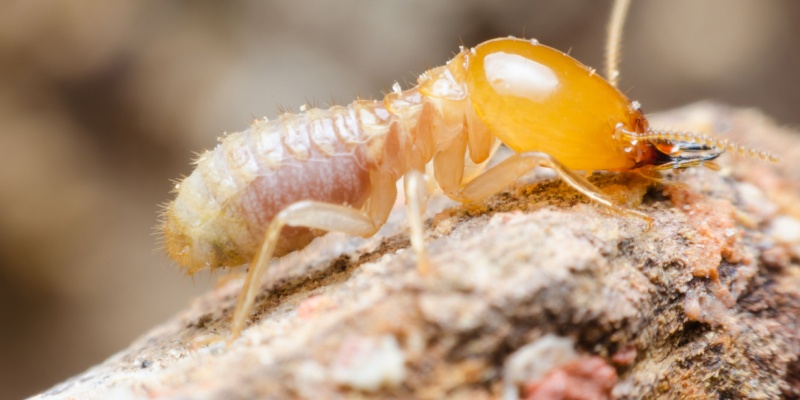
When facing a termite infestation, finding the right pest control service is crucial to effectively solving the problem and protecting your property from further damage. In Passaic County, where termite problems are not uncommon, homeowners must be diligent in choosing a qualified and experienced pest control provider. Here’s what to look for when selecting a professional for termite control in your area.
Look for Experience and Expertise
Termite control requires specific knowledge and skills. Look for a pest control service with extensive experience in identifying, treating, and preventing termite infestations. Providers with a long history in the industry are likely to have dealt with a variety of termite situations and will know the best approaches for different types of infestations.
Check for Licenses and Certifications
Ensure that any pest control company you consider is fully licensed to operate in New Jersey. This means they meet the state’s requirements for providing pest control services. Additionally, certifications from pest control associations can indicate a higher level of expertise and commitment to industry best practices.
Consider the Treatment Methods They Offer
Different termite problems may require different treatment strategies. A reputable pest control service should offer a range of treatment options tailored to the specific type of termites and the severity of the infestation. This might include soil treatments, bait systems, or even structural fumigation. Make sure the provider you choose has a comprehensive approach to termite control.
Ask About Their Inspection and Treatment Plan
A thorough inspection should be the first step in any termite control effort. Ask potential providers about their inspection process and what it entails. A good pest control service will provide a detailed inspection report and a customized treatment plan that addresses the extent of the infestation and any structural risks to your home.
Review Their Safety Measures
Termite treatments often involve the use of chemicals that can be harmful if not handled correctly. Ask about the safety measures the pest control service employs to protect your family, pets, and the environment during and after treatment. Providers who prioritize safety will use the most effective yet least toxic methods available and will ensure that you understand any precautions you need to take.
Evaluate Their Customer Service
Effective communication and reliable customer service are important qualities in a pest control provider. You want a service that is responsive, answers your questions clearly, and keeps you informed throughout the treatment process. Read reviews and ask for references to gauge a company’s reputation for customer service.
Guarantee and Follow-Up
Finally, ask about the service’s guarantee and follow-up procedures. A reputable termite control provider should stand behind their work and offer follow-up inspections to ensure that the treatment was effective and that your home remains termite-free.
Choosing the right termite control provider in Passaic County is a critical decision for protecting your home and investment. By focusing on experience, licensing, treatment options, safety, customer service, and follow-up care, you can find a pest control service that will effectively resolve your termite problem and help prevent future infestations. Taking the time to select a qualified and reputable professional will give you peace of mind and keep your home safe from these destructive pests.
Abarb Pest Services is the go-to termite exterminator in Passaic County for many residents. We are family-owned and have been serving the area for over 40 years. Reach out today to schedule a termite inspection and get started on the process of protecting your home from these destructive pests.