
Proudly Serving Northern New Jersey, Rockland County & Manhattan

Call Us Right Now:973.839.6228

Categories
Bed Bugs

Bed Bug Control Experts in Northern New Jersey

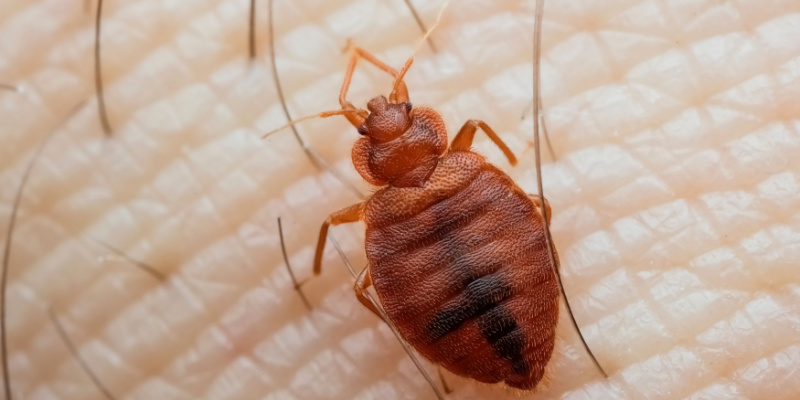
Bed bugs, small, reddish-brown insects that feed on the blood of humans and animals, are a growing problem in many parts of the world, including Northern New Jersey. These oval-shaped, six-legged insects are difficult to control and can spread rapidly. They are most active at night and can be found in various environments, including homes, apartments, hotels, and dormitories. Disgustingly, bed bugs can be transported from one location to another on clothing, luggage, and furniture. Pets sometimes unwittingly transport them into your home as well.

Understanding Bed Bugs

In order to control bed bugs, one must understand their biology and habits. Bed bugs are attracted to warmth and carbon dioxide, which is why they are often in areas where people sleep. They can hide in various places, including mattresses, box springs, bed frames, headboards, and baseboards. They can also be found in electrical outlets, light switches, and wallpaper.

How to Control Bed Bugs

Bed bugs can be controlled through a combination of techniques, including:

  • Inspection: A professional bed bug control expert will thoroughly inspect the infested area to determine the extent of the infestation and identify potential hiding spots.
  • Chemical treatment: One can use chemicals to kill bed bugs. Pesticides that are specifically designed for bed bugs should be used. These pesticides can be applied to infested areas, including mattresses, box springs, bed frames, headboards, and baseboards.
  • Steam treatment: Steam can be used to kill bed bugs. The heat from the steam will penetrate the mattress and other infested areas, killing the bed bugs and their eggs.
  • Cryonite treatment: Cryonite is a non-toxic and environmentally safe way to eliminate bed bugs. It is a freezing agent that kills bed bugs and their eggs on contact.
  • Vacuuming: Vacuuming is an effective way to remove bed bugs and their eggs from infested areas. The vacuum cleaner should be equipped with a HEPA filter to prevent the bed bugs from escaping.
  • Encasements: Encasements prevent bed bugs from infesting mattresses, box springs, and pillows. Encasements are made of a special material that bed bugs cannot penetrate.
  • Education: Education is an essential aspect of bed bug control. Educating people about how to prevent and control bed bugs is important. This includes information on how to identify bed bugs, prevent infestations, and control infestations.

How to Choose the Best Bed Bug Control Experts

When it comes to effective and safe bug control, the expertise of professionals is essential. Finding the best bug control experts for your home or business can be a daunting. Fortunately, with a few simple steps, you can find reputable professionals who offer quality services.

  • Start by asking family, friends, and neighbors for recommendations.
  • Word-of-mouth is one of the most reliable methods of finding an experienced professional who has been tested in the field and has proven results.
  • Online reviews are also helpful as they offer feedback from customers who have had direct experience with a particular service provider.
  • In addition to recommendations and online reviews, another great way to find quality bug control specialists is through industry organizations such as Pest Control Association International (PCAI). Membership in these organizations typically requires members to adhere to stringent standards regarding customer service and technical expertise.

In conclusion, finding the best bed bug control experts in Northern New Jersey is a necessary process that requires careful research and consideration. First, learning all you can about bed bugs can help you to know how to treat and prevent them. Then, when you are ready to find an excellent bed bug company,  it is important to read reviews and ask for references to ensure that the treatments are safe, effective, and affordable. By following these steps, you can find a reliable provider like Abarb Pest Services, who can help you rid your home of bed bugs.
Categories
Termites

Do Termites Cause Expensive Damage?

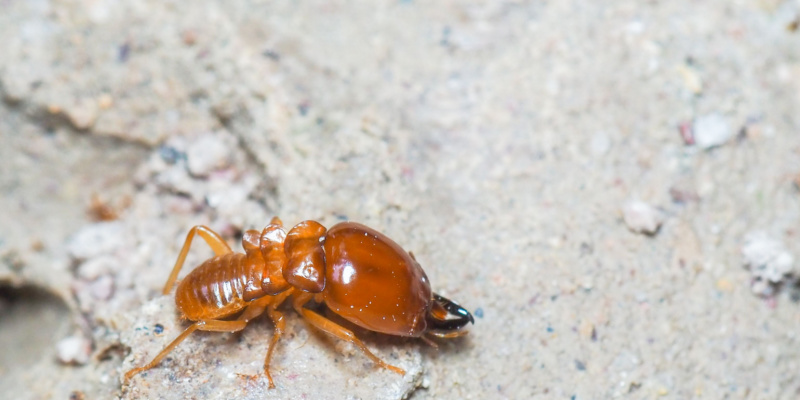
It is estimated that termites cause more than $5 billion in damages annually in the United States. Homeowners who do not identify and treat infestations quickly may face a hefty bill for repairs. Termites are a common pest that can cause significant damage to homes if left unchecked. These tiny insects feed on the cellulose found in wood, which can weaken and eventually destroy the structural integrity of a home. Due to the silent nature of their infestation, termite damage can be costly to repair by the time it is identified.

The Extent of Termite Damage

Termites are a common problem for homeowners and can cause extensive damage to buildings, furniture, and other materials. They feed on wood, but they also eat paper, books, insulation, and even swimming pools. Because of these dangers, it is crucial to understand the extent of termite damage that can occur to protect your home or business adequately.

The amount of destruction caused by termites depends on several factors such as the size of the infestation and the type of termite that has invaded your property.

  • Types of Termites: Subterranean termites are notorious for their destructive nature as they consume wood from the inside out leaving behind thin layers that often go undetected until major damage has been done. Drywood termites may be less destructive than subterranean species but still consume wood, causing severe structural problems if left unchecked.
  • Length of Time of Infestation: The length of the infestation can have a significant impact on the extent of the damage. Therefore, it is vital to act quickly when any signs of termites are spotted, as early intervention can help prevent severe destruction from occurring over time. The first step to tackling a termite infestation is identifying whether or not you have one in your home. Signs include hollow-sounding wood, mud tubes, and swarms of winged insects around windows and doors. If any of these signs are noticed, then it’s best to call an experienced technician for help. A pest professional will be able to assess the situation and determine how long the colony has been active and what needs to be done to eliminate them from the property effectively.

Why is Termite Damage Expensive?

  • It’s hard to detect in the early stages: One of the main reasons that termite damage can be so expensive is that it is often only discovered once it is quite advanced. Termites are subterranean creatures that work silently, eating away the wood from the inside, making it difficult to detect until the damage is severe. By the time the infestation is discovered, the termites have already caused extensive damage to the home’s structural integrity. This can lead to costly repairs, such as replacing entire sections of the house or even rebuilding it.
  • The type of repair work needed can be pricey: The cost of termite damage is often determined by the extent of the infestation and the type of repair work needed. For instance, if a home has experienced structural damage due to wood rot or other factors caused by termites, it will likely require major structural repairs, which can be very costly. Additionally, termites tend to feed on wood and other cellulose materials like paper and cardboard boxes – all of which must be wholly replaced when damaged by these pests. This can add up quickly if an area of your home has been affected by termites for an extended period.

In conclusion, termite damage can cost homeowners tens of thousands of dollars if left untreated. Abarb Pest Services is the perfect resource to help identify, control, and eliminate termite damage. Due to their years of experience, they can be sure your home will be protected from destructive termites.

Categories
Bed Bugs

How Do I Know If I Have Bed Bugs?

Bed bugs are a nasty and unwelcome problem that can cause sleepless nights. These pests may be tiny, but they can quickly multiply and spread throughout your home if not dealt with quickly. Bed bugs are small and flat, often no bigger than the size of an apple seed. They can be challenging to detect because they hide in places like mattress seams and furniture crevices during the day, only coming out at night when people are sleeping. But, while they can be challenging to spot at first, there are sure signs you can look out for to identify a bed bug infestation.

  • Shed Skin & Dark Spots
    The most obvious sign of a bed bug infestation is finding physical evidence of their presence. For example, look for tiny dark spots on your mattress or other furniture, which could indicate bed bug excrement. You may also see shed skin left by molting bed bugs or even live adults crawling around at night.
  • Eggs
    Not only do bed bugs have an annoying habit of biting humans and other animals, but they also leave their eggs behind. These small oval-shaped eggs range between 0.8mm and 1mm in size, making them hard to spot without magnification. These eggs typically hatch within five days and subsequently go through several stages before maturing into adult bed bugs, ready to reproduce more eggs of their own in just a few weeks.
  • Bites
    These tiny, reddish-brown bugs feed off human and animal blood, leaving behind an itchy rash that can be both painful and unsightly. Bed bug bites are not typically dangerous but can cause discomfort, especially if left untreated. The most common symptoms include redness and swelling at the bite site, which may lead to intense itching or burning sensations. Some individuals may also experience hives or blisters at the area where they were bitten.

How Do Bed Bugs Get Into My House?

Bed bugs are a nuisance that no one wants to deal with, so it’s essential to understand how they can get into your home. Bed bugs are experts at hiding and will take any opportunity to invade your house. They typically find their way inside through tiny cracks and crevices in walls or floors and through holes in furniture and clothing.

These pests often hitchhike on people traveling from one place to another, making it easy for them to spread quickly. Bedding, furniture, and other items that have been used by someone who has bed bugs can become a pathway for the pests into your home if you bring them inside. Vacationers should especially be aware of this risk when staying in hotels or rental properties; inspect the room thoroughly before settling in or unpacking belongings.

Methods for Eliminating Bed Bug Infestations

Bed bugs can be a daunting problem to deal with, but there are methods you can use to help eliminate bed bug infestations.

  • Firstly, it is crucial to identify the source of the infestation. Inspect your bedroom for signs of bed bugs, such as discarded shells or stains on mattresses and other furniture. Once you have pinpointed the source, it is time to focus on eliminating them from your home.

  • Bed bug infestations are a common problem for many homeowners, but did you know that heat can be an effective weapon against these pesky creatures? Heat is one of the most successful methods for eliminating bed bugs and their eggs. The best way to use heat to rid your home of bed bugs is with a technique called “heat treatment.” This involves slowly increasing the temperature in rooms or areas where bed bugs have been detected. The goal is to make the space too hot for them to survive – generally, temperatures must reach between 120-140 degrees Fahrenheit in order for this method to work effectively. To ensure maximum effectiveness, all furniture should be moved away from walls, and exposed surfaces should be disinfected before beginning the process.

Identifying and treating a bedbug infestation can be difficult and time-consuming. It is vital to take steps toward prevention in order to avoid an infestation. Suppose you believe you may have bed bugs. In that case, it is best to contact a professional pest control company like Abarb Pest Services, which can assess the situation and provide effective treatment solutions. Having the proper information and resources can make this process smoother so that you will be on your way to a bug-free home faster.

Categories
Termites

How Do I Know If My Home Has Termites?

Just the thought of having termites in one’s home can cause one to shudder with aversion. Termites are tiny insects which feed on wood and other cellulose-based materials and can cause extensive damage to the structure of a home if left unchecked. Unfortunately, termites can be difficult to detect, and many homeowners are unaware that they have a termite infestation until significant damage has already been done. Luckily, this article will help you determine some clear signs that can indicate your home has termites.

Mud Tubes

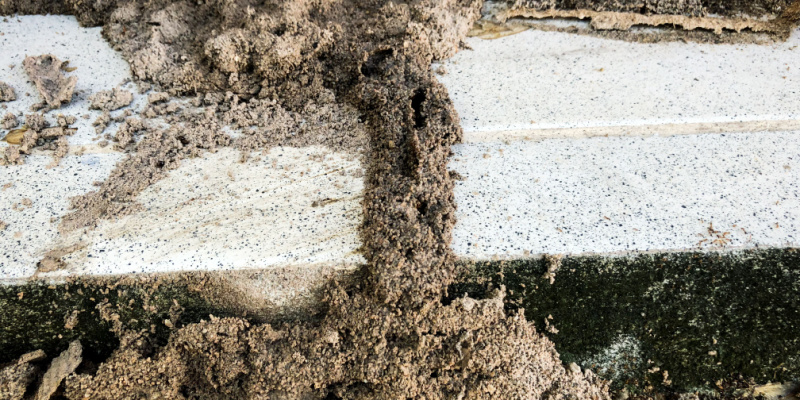
The first sign of a termite infestation is often the presence of small, mud-like tubes on the home’s exterior. Termites use these tubes to travel between the ground and the wood in the home’s structure. They can be found on walls, foundations, and other areas where the wood in the house comes into contact with the ground.

Blistering Wood

One of the main signs of an infestation is blistering wood, which occurs when termites create tunnels and cavities beneath the surface of the wood. This causes pressure and raises small bumps, or blisters, on the surface of the wood. Homeowners should inspect for blistering wood around window frames and door frames as this is typically where termite activity begins.

Swarmers

Another sign of a termite infestation is the presence of winged termites, also known as swarmers. These termites are larger than worker termites and have two pairs of wings. They are often seen near windows and doors and are most active during spring and summer. They also will often leave their discarded wings behind.

Hollow Sounds

Another common signs of a potential termite infestation is a hollow sound when tapping on wood in your home or business. This hollow sound is caused by termites eating out the interior of wooden structures, weakening it over time. It’s important to be vigilant and investigate any occurrence of this phenomenon as soon as possible, as an unchecked infestation can result in costly repairs or even structural damage down the line.

Detecting Termites

  • Visually
    If you suspect that your home has termites, it is vital to have a professional inspect the property as soon as possible. A professional termite inspector will be able to identify the type of termite and the extent of the infestation and recommend a course of treatment.
  • Specialized Tools
    In addition to visual inspections, termite inspection may include specialized tools such as moisture meters, infrared cameras, and listening devices. Moisture meters can detect the presence of moisture in wood, which is an indication of a termite infestation. Infrared cameras can detect the presence of termites behind walls and in other hidden areas. Finally, listening devices can be used to detect the sound of termites eating wood.
  • Baiting
    Another effective way to detect termites is through termite baiting. Termite baits are placed in the ground around the home and are designed to attract termites. Once the termites have consumed the bait, they will take it back to the colony, thereby eliminating the colony.
  • Regular Inspections
    It is important to note that termites can be present in a home for years without being detected. Therefore, it is essential to have regular termite inspections, especially if you live in an area where termites are known to be a problem.

In conclusion, termite infestation is a serious problem that can cause significant damage to your home. If you suspect your home has termites, it’s essential to seek professional help to identify and address the issue as quickly as possible. Abarb Pest Services can provide the expertise and experience needed to eliminate termites from your property successfully. So call them today!