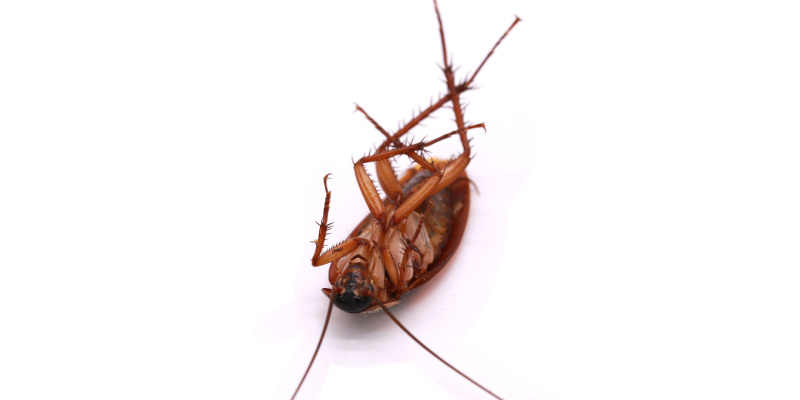
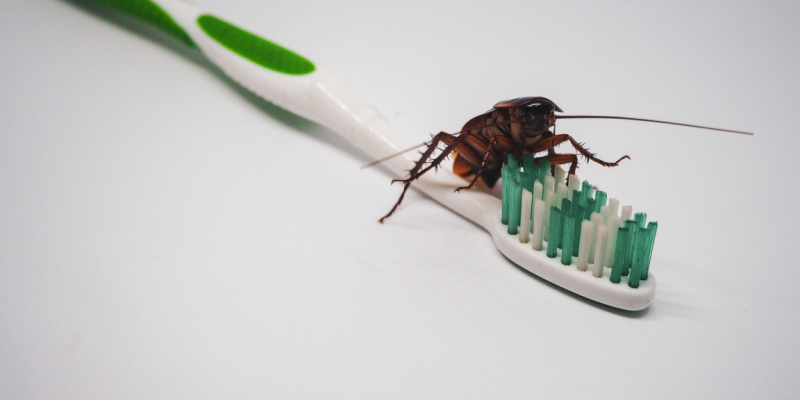
Cockroaches – those resilient, scuttling insects that seem to survive anything – have long been associated with disease and unhygienic conditions. But just how accurate is this perception? Do cockroaches truly spread disease, or is it simply an old wives’ tale? Let’s delve into the science behind cockroaches and their potential role in disease transmission.
Understanding Cockroach Behavior
Cockroaches are ancient insects that have been around for millions of years, adapting to various environments and surviving even in the harshest conditions. They are known for their ability to infest human dwellings, seeking warmth, food, and shelter. Cockroaches are nocturnal creatures that often hide in dark, damp areas during the day and come out at night to forage for food.
The Dirty Reality
One of the primary reasons cockroaches have gained a reputation for spreading disease is their tendency to frequent unsanitary places. They are often found in areas such as sewers, garbage bins, and decaying matter, which can potentially harbor harmful bacteria and pathogens. When cockroaches crawl over these contaminated surfaces, they can pick up these pathogens on their legs and bodies.
Pathogens Hitchhiking on Cockroaches
While cockroaches may not be direct disease carriers, they can inadvertently transport disease-causing microorganisms. As cockroaches move around, they can transfer bacteria and viruses from one surface to another. For example, if a cockroach walks over a piece of food, it could leave behind harmful pathogens that could potentially cause food poisoning if the contaminated food is consumed.
The Role in Allergies
Cockroaches also produce allergenic proteins, which can be a significant concern for individuals with allergies or respiratory issues. These proteins are present in cockroach saliva, droppings, and shed exoskeletons. When these particles become airborne, they can be inhaled and trigger allergic reactions, leading to sneezing, coughing, and even asthma attacks.
Research Findings
Several studies have investigated the potential for cockroaches to spread disease. A study conducted by researchers at Purdue University found that cockroaches can indeed carry and spread bacteria, including E. coli and Salmonella. The researchers discovered that cockroaches can pick up these bacteria from contaminated surfaces and transfer them to clean surfaces through contact.
Another study published in the journal “Medical and Veterinary Entomology” found evidence of antibiotic-resistant bacteria present in cockroaches collected from urban environments. This suggests that cockroaches could potentially contribute to the dissemination of antibiotic-resistant pathogens, further highlighting their role in public health concerns.
Common Diseases Transmitted by Cockroaches
These resilient insects are known carriers of various diseases and can transmit them through their saliva, droppings, and shed skin. One such illness is salmonellosis – a bacterial infection characterized by symptoms like diarrhea, fever, and abdominal cramps. Cockroach excrement containing Salmonella bacteria can contaminate food preparation areas or utensils, leading to an outbreak if proper hygiene practices are not followed.
Another disease associated with cockroaches is dysentery, resulting in severe diarrhea with blood or mucus. When the insects crawl over surfaces like kitchen counters or dining tables, the bacteria transfer onto these areas and objects we frequently encounter. We can reduce the risk of contracting such debilitating illnesses by diligently maintaining cleanliness in our living spaces and preventing cockroach infestations.
Preventing Cockroach-Related Health Risks
Given the potential for cockroaches to carry and transfer pathogens, it’s essential to take preventive measures to reduce the risk of disease transmission. Here are some steps you can take:
1. Maintain Cleanliness
Keep your living spaces clean and free from food debris, crumbs, and spills. Regularly clean and sanitize kitchen and dining areas.
2. Eliminate Hiding Places
Seal cracks and crevices in your home to prevent cockroaches from finding hiding spots. This will make it harder for them to establish a presence in your living spaces.
3. Proper Food Storage
Store food in airtight containers to prevent cockroaches from accessing your food sources, reducing the chances of contamination.
4. Moisture Control
Cockroaches thrive in humid environments, so reducing moisture levels in your home can discourage their presence. Fix leaky pipes and ensure proper ventilation.
5. Professional Pest Control
If you have a significant cockroach infestation, seek professional pest control services to eliminate the problem effectively.
While cockroaches themselves might not be direct carriers of disease, they can contribute to the spread of pathogens by carrying bacteria and transferring them to various surfaces. Additionally, their allergenic proteins can pose health risks, particularly for individuals with allergies or respiratory conditions. To mitigate these risks, maintaining a clean and hygienic living environment is crucial. Contact Abarb Pest Services today to help you address the potential health concerns associated with the presence of cockroaches.