Proudly Serving Northern New Jersey, Rockland County & Manhattan

Call Us Right Now:973.839.6228

Categories
Pest Control Termites

How Often Should I Have My Home Inspected for Termites?

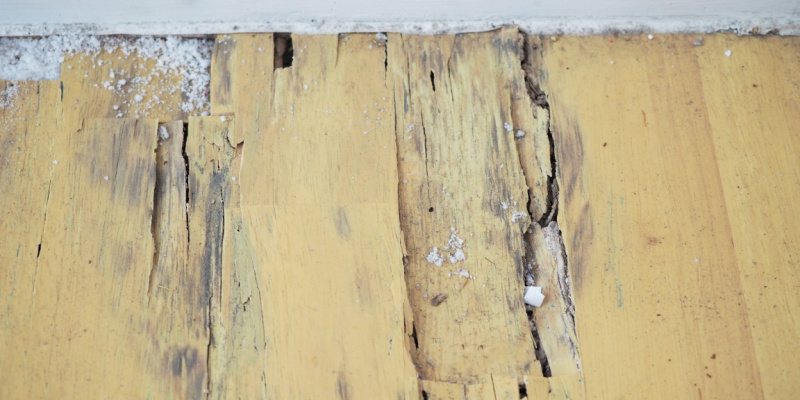
You may not think termites are a real threat to your home, but they truly can be! Termites are a common pest that can cause significant damage to homes if left unchecked. Regular inspections are an essential part of protecting your home from termite infestations. How often should these inspections take place?

  • Frequency Factors: The frequency of termite inspections depends on several factors, including the age of your home, the location of your house, the type of construction, and the climate in your area. If you live in an area with a high risk of termite infestations, it is recommended that you have your home inspected at least once a year. This is especially true if your home is older or made of wood, as termites are drawn to these materials.
  • Age of the Home: Termite inspections are a necessary part of owning a home; however, the frequency of these inspections depends on the age of your home. If you live in an older home, your inspection should be done every one to two years. This is due to the fact that structures built before 1990 may not have as much protection from termites as newer homes do. On the other hand, if you own a new or recently remodeled home, you might get away with having an inspection every three to five years.
  • Location of the Home: Properties located near wooded areas should also be checked more often than those in open fields. This is because termites prefer moist and dark environments where they can thrive undetected.
  • Type of Home Construction: Homes built with wood frames are particularly vulnerable since they offer an ideal environment for termites to thrive. As such, these homes should be inspected at least once a year by a professional pest control company to ensure that any signs of an infestation are caught before too much damage occurs. When it comes to brick or concrete structures, the risk is lower but still present. In this situation, homeowners should have their property inspected every three to five years as a preventive measure against undetected infestation.
  • Climate: Generally speaking, locations with warm, humid climates may require more frequent inspection than those with cooler temperatures. For example, a homeowner should plan to have an inspection done every two to three years in warmer regions, like Florida or California. This is because these humid areas provide ideal nesting grounds for termites. Also, since some species of termites can cause extensive damage to homes within just a few months’ time, having regular inspections is key in identifying potential issues early on and taking steps to prevent further damage.

How Often?

If you live in an area with a moderate to low risk of termite infestations, you may be able to go longer between inspections. In these cases, having your home inspected at least once every three to five years is still essential. This will help to ensure that any potential infestations are dealt with before they have a chance to cause significant damage.

In conclusion, regularly inspecting your home for termites is important. The frequency of inspections depends on several factors, including the age of your home, the type of construction, and the climate in your area. Also, consider any sudden changes in the environment of your home as a cue to call a pest control expert. If you are unsure when to schedule an inspection, contacting a local pest service such as Abarb Pest Services may be beneficial. Being proactive and vigilant about termite inspections can help protect your home from costly damage and repairs and give you peace of mind.

Categories
Termites

How to Eliminate a Termite Infestation

Having a termite infestation in your home can be a nightmare. Not only can they cause extensive and costly damage to the structure of your property, but these pests are notoriously difficult to get rid of. However, with proper knowledge and care, it is possible to eliminate a termite infestation before the situation gets out of hand. In this article, we provide easy-to-follow steps to prevent and efficiently eliminate a termite infestation from your home.

There are several different methods for eliminating termite infestations, including:

  • Chemical treatments: This is the most common method of eliminating termites. Chemical treatments involve the use of pesticides to kill termites. These pesticides can be applied to the soil around the foundation of your home, or they can be injected into the walls of your home. Chemical treatments are typically effective, but they can be dangerous if not used properly, so it is essential to have a professional handle the application.
  • Baiting systems: Baiting systems are another standard method of eliminating termites. These systems use bait stations that are placed around your home. The termites are attracted to the bait and then poisoned when they eat it. Baiting systems can be effective but can take months to work. Patience is key.
  • Heat treatments: Heat treatments involve heating the affected area of your home to a high temperature to kill the termites. This method is relatively new, but it can be effective, especially in cases where the infestation is confined to a specific area.
  • Physical removal: In some cases, the termites can be physically removed from your home. This method is typically used in conjunction with other methods, such as chemical treatments or baiting systems.
  • Hire a Professional: The most crucial step in eliminating a termite infestation is to have a professional termite inspector come to your home to assess the situation. A professional inspector will be able to identify the type of termites present in your home and determine the extent of the infestation. They will also be able to recommend the best course of action for eliminating the problem.

Prevention

Once the infestation is eliminated, it is vital to take steps to prevent it from happening again in the future. These steps include:

  • Keeping the area around your home clear of debris and wood piles.
  • Repairing any leaks or damage to the foundation of your home.
  • Making sure that any wood in your home is properly treated and sealed.
  • Installing termite barriers around your home to prevent termites from entering.
  • Having regular inspections. It is essential to schedule routine inspections from a professional to check for any signs of termite infestation and take action before it becomes severe.

Notably, eliminating a termite infestation can be challenging and may require multiple treatments. It may also take several months to solve the problem entirely. However, with the help of a professional and persistence in preventative measures, it is possible to eliminate a termite infestation and protect your home.

In conclusion, it is clear that there are effective solutions to a termite infestation, and Abarb Pest Services make it easy! With their experienced staff and quality services, you can find the right solution for your problem. They also offer personalized treatments unique to each situation, as they understand no two infestations are the same. Furthermore, they ensure that customers receive long-lasting results from the treatment.

Categories
Bed Bugs

How to Spot a Bed Bug Infestation

Do you suspect that your home may have a bed bug infestation? Bed bugs are tiny, nocturnal pests that feed on blood. They can hide in mattresses, box springs, bed frames, and other furniture. Knowing the signs of an infestation is critical to treating it quickly before it spreads. In this article, we’ll discuss how to spot a bed bug infestation so that you can promptly take action and rid your home of these nuisance pests.

Where to Look

When it comes to keeping your home safe from pests, bed bugs are one of the most difficult to spot. Bed bugs are small, nocturnal creatures that feed on human and animal blood. They can hide in tiny cracks and crevices around your bedroom, making them hard to detect. Bed bugs usually congregate near mattresses, box springs, bed frames, and headboards, as these offer easy access to their food source. However, they may also hide in other furniture, such as couches or chairs, behind baseboards, or picture frames. Knowing where to look for signs of a bed bug infestation is key to preventing the further spread of these unwanted guests. Most importantly, it’s essential to inspect any used furniture or clothing that comes into your home.

  1. Fecal Spots
    One of the clear signs of an infestation is the presence of fecal spots. Fecal spots are tiny dark or black stains caused by bed bugs digesting blood from their food sources. These spots can appear on mattresses, sheets, furniture, and other surfaces throughout your home. Fecal spotting is a common symptom of bed bug activity and should not be overlooked. To identify these spots, you should use a flashlight to inspect your sleeping area and around any seams or crevices in your furniture. Use a magnifying glass to better look at any suspicious sites that could contain these fecal deposits.
  1. Shed Skin or Eggs
    If you find small translucent shells around mattresses, box springs, headboards, and other areas with fabrics, this could be evidence of a bed bug infestation. Bed bugs molt up to five times before they reach adulthood, so these shells are discarded right after the molting process. You might also spot eggs; they look like pearly white grains that measure about 1 millimeter long and can easily stick to surfaces such as bedding materials or furniture.
  1. Itching Bites
    Itching is one of the first symptoms of bed bug bites. When bed bugs bite, they inject an anti-clotting agent, which causes a person to itch. These itches can sometimes range from mild discomfort to intense burning sensation. Many people mistake these itches for other skin irritation or allergies; however, if multiple family members are experiencing similar symptoms and no other cause is apparent, it’s time to look into whether or not your home is hosting bed bugs. Another common symptom associated with a bed bug infestation is bite marks on the body.
  1. Sweet Musty Odor
    A musty, sweet smell is one of the telltale signs of a bed bug infestation. They leave behind an unpleasant odor that can be difficult to identify but is unmistakable once you know what to look for. Bed bugs emit a pheromone to communicate, producing this musty odor. To detect it, look for physical signs of an infestation, such as black spots or shed insect skins around your mattress or furniture. Then check for a strong, sweet smell from these areas – this could be evidence of bed bugs. If you’re still unsure if you have an infestation, call in a pest control professional who can confirm whether or not your home is affected.

In conclusion, be aware of the signs of a potential bed bug infestation, such as bites, fecal spotting, and an unexplained musty smell in your home. The earlier you can identify the infestation, the easier it will be to eradicate them. If you are concerned that you may have bed bugs, contact Abarb Pest Services immediately for a professional inspection and guaranteed removal service.

Categories
Termites

Passaic County Termite Control Experts

Passaic County, New Jersey, is home to a wide variety of termite species, and the threat of termite damage is always present. Homeowners concerned about protecting their property from the destructive power of these pests should note that there are termite experts who can help. It’s crucial first to know what to do to prevent and eliminate termites, and then you must know what questions to ask your pest control experts so you can choose just the right company for the task!

Steps to Prevent and Eliminate Termites

  • Remove any moisture sources, such as leaky pipes or standing water, as termites are attracted to moisture.
  • Keep wood debris and mulch away from the foundation of your home, as termites can use this as a pathway to the house.
  • Use a professional pest control service to inspect your home and treat it as necessary regularly.
  • Seal any cracks or gaps in the foundation or walls of your home to prevent termites from entering.
  • Keep wood piles, decks, and fences at least 20 inches away from the foundation of your home.
  • Make sure that the soil around the foundation of your home is graded to slope away from the house to prevent water from pooling near the foundation.
  • Use a chemical barrier, such as a termiticide, to create a barrier around the perimeter of your home to prevent termites from entering.
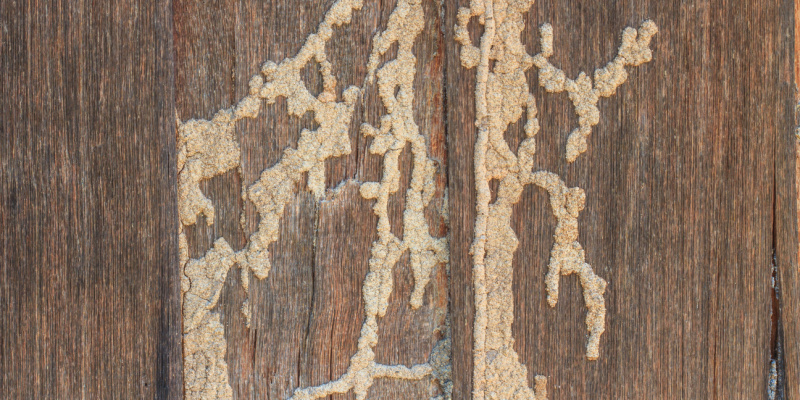
  • Regularly check for signs of termites, such as mud tubes and damaged wood, and call a professional if you suspect an infestation.

Questions to Ask Termite Control Experts

When considering hiring a termite control company, it is vital to ask the right questions to ensure that the company can effectively eliminate your termite infestation. Here are some questions you should consider asking:

  1. Are you licensed and insured? It is vital to work with a company that is licensed and insured to ensure that you are protected in the event of any accidents or damage.
  1. What methods do you use to eliminate termites? Companies may use different ways, such as baiting systems, liquid treatments, or fumigation. It is essential to understand the methods used and their effectiveness in eliminating termites.
  1. How long have you been in business? A company with more experience may have a better track record of eliminating termite infestations.
  1. Can you provide references? Ask for references from previous customers to get an idea of the company’s reputation and the effectiveness of their treatment.
  1. Can you provide a written estimate? A written estimate will give you an idea of the cost of the treatment and will protect you from any unexpected charges.
  1. How do you prevent future infestations? Ask the company about their methods for preventing future infestations, such as regular inspections and recommendations for structural changes.
  1. What is the warranty or guarantee of the work? First, it is important to know the length of the warranty or guarantee and what it covers.
  1. What is the process of the treatment? It is essential to understand the procedure, the time frame, and what is expected of you during the process.

By asking these questions, you can ensure that the termite control company you choose can effectively eliminate your infestation and protect your home from future infestations.

In conclusion, Abarb Pest Services is the best termite control company in Passaic County. Their team of certified professionals can handle any issue with ease and precision. They use effective, long-lasting treatments to eliminate termites and prevent them from returning. In addition, their customer service is second to none, which makes them an ideal choice for homeowners looking for reliable and affordable termite control solutions. Abarb Pest Services is a clear winner!