Proudly Serving Northern New Jersey, Rockland County & Manhattan

Call Us Right Now:973.839.6228

Categories
Bees & Wasps

Protect Your Haskell, NJ Property from Bees and Wasps

Bees and wasps are common in Haskell, NJ, especially during the warmer months. While these insects play crucial roles in the ecosystem, such as pollination and controlling other pests, their nests can pose risks when located near human activity. Here’s how you can safeguard your property from bees and wasps, ensuring a harmonious outdoor living space.

Understand Bee and Wasp Behavior

The first step in protection is understanding. Bees are generally less aggressive and more interested in flowers than in people. Wasps, on the other hand, can be more aggressive, especially if their nest is threatened. Both are more likely to sting if provoked.

Regular Property Inspections

Frequently inspect your property for signs of nests. Early detection is key to preventing large colonies from forming. Pay special attention to eaves, overhangs, sheds, and dense vegetation areas. You can do these property inspections on your own or get the help of a professional. Identifying a potential issue early is the best way to keep it from becoming a significant problem later on.

Maintain Your Garden

Keeping your garden tidy can deter bees and wasps from setting up home. Trim bushes and trees regularly, manage weeds, and remove dead wood or debris where nests could be built.

Secure Food and Waste

Bees and wasps are attracted to sweet foods and proteins. Always cover food during outdoor gatherings and ensure garbage cans have tight-fitting lids to discourage foraging.

Water Source Management

Like all living creatures, bees and wasps need water. Eliminate standing water sources, such as birdbaths or clogged gutters, to make your property less attractive to bees and wasps.

Seal Entry Points

Check your home for any cracks or openings that could serve as entry points for wasps seeking to build nests. Seal these areas to prevent them from getting inside.

Use Decoys and Repellents

There are various non-lethal repellents and decoys that can discourage bees and wasps from nesting on your property. For example, fake wasp nests (decoys) exploit territorial behavior to keep wasps away.

Professional Prevention Services

For the most effective protection, consider hiring a professional pest control service. They can provide preventative treatments and advice tailored to your specific situation, ensuring your property remains bee and wasp-free.

Reacting to Bees and Wasps

If you encounter bees or wasps, remain calm and move away slowly. Avoid swatting at them, as this can provoke aggression. If you find a nest on your property, do not attempt to remove it yourself. Contacting a professional is the safest way to handle nest removal.

Protecting your Haskell, NJ property from bees and wasps involves a combination of vigilance, maintenance, and professional assistance when necessary. By taking proactive steps, you can minimize the risk of stings and ensure a safe environment for your family and pets. Remember, bees and wasps are an important part of our ecosystem, so always consider humane and non-lethal control methods first.
Categories
Bees & Wasps

Bee and Wasp Control in Bergen County

In the picturesque region of Bergen County, New Jersey, nature thrives in all its splendor. However, alongside the beauty of this area lies the potential for bee and wasp infestations, which can pose risks to humans. These buzzing insects, while playing important roles in pollination, can become unwelcome guests when their populations grow out of control. Read on to discover various methods for managing and controlling bee and wasp infestations in Bergen County, ensuring harmony between these creatures and the local community.

1. Identification of Bee and Wasp Species

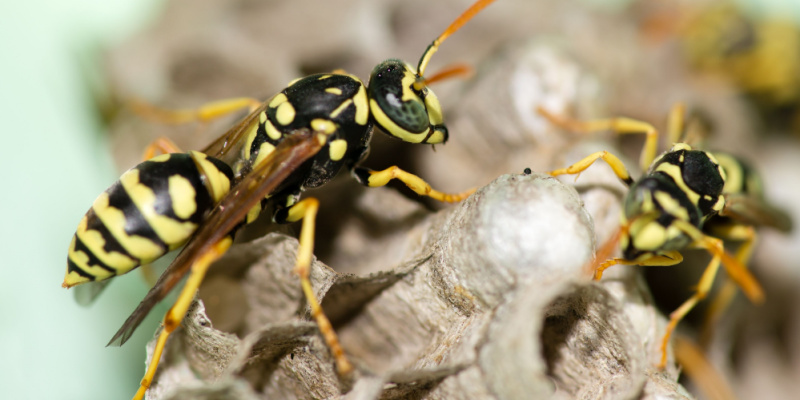
Before implementing any control methods, it is essential to identify the bee and wasp species present accurately. Honeybees, bumblebees, paper wasps, yellow jackets, and hornets are commonly found in Bergen County. Proper identification will help determine the appropriate control measures, as different species may require different approaches.

2. Prevention Techniques

Prevention is the first line of defense against bee and wasp infestations. Ensure that garbage cans and compost bins are tightly sealed to eliminate potential food sources. Seal cracks and crevices around buildings, as these can serve as entry points for nesting insects. Regularly inspect eaves, attics, and outdoor structures for nests, removing them promptly if found.

3. Habitat Modification

Create an environment that is less attractive to bees and wasps. Trim overgrown vegetation, as some species prefer nesting in dense shrubs. Plant bee-repelling herbs such as mint, eucalyptus, and citronella in your garden. By modifying the habitat, you can discourage these insects from taking up residence on your property.

4. Non-Lethal Removal

For bee species that are essential pollinators, consider non-lethal removal options. Contact local beekeepers who may be willing to relocate honeybee colonies. It is important to work with professionals who can safely and responsibly remove bees, ensuring their survival and contribution to the ecosystem.

5. Traps and Baits

Traps and baits can be effective tools for managing wasp populations. Commercial traps are available, which use attractants to lure wasps away from high-traffic areas. However, caution must be exercised when using traps, as they can inadvertently attract more wasps to your property.

6. Insecticidal Dust

Insecticidal dust can be applied to bee and wasp nests in hard-to-reach areas. These dusts penetrate the nests and eliminate the insects within. It is important to use these products carefully, following manufacturer instructions, and considering the potential impact on non-target insects.

7. Professional Pest Control Services

When bee and wasp infestations become unmanageable or pose a safety threat, it is necessary to seek assistance from professional pest control services. Pest management experts have the knowledge and tools to safely handle infestations while minimizing harm to beneficial insects and the environment.

8. Protective Clothing and Equipment

For DIY nest removal or maintenance, always wear appropriate protective clothing, including a beekeeping suit or clothing with thick fabric. Additionally, protective equipment such as gloves and a veil should be worn to prevent stings.

Bee and wasp control in Bergen County requires a balanced approach that safeguards both human safety and the well-being of these pollinators. Whether through non-lethal removal, traps, or professional assistance by Abarb Pest Services, the goal is to achieve a thriving ecosystem where bees and wasps play their vital roles without causing undue harm or inconvenience.

Categories
Bees & Wasps

Common Places You Find Bee and Wasp Nests

Bees and wasps are fascinating and essential insects in our ecosystem, but when they build nests in close proximity to human activity, it can pose potential risks. Understanding the common places where bee and wasp nests are often found can help you be more aware and take appropriate measures to coexist safely. Let’s investigate the typical hiding spots of these insects and provide insights into their behavior to promote a harmonious balance between nature and human habitats.

1. Eaves and Overhangs

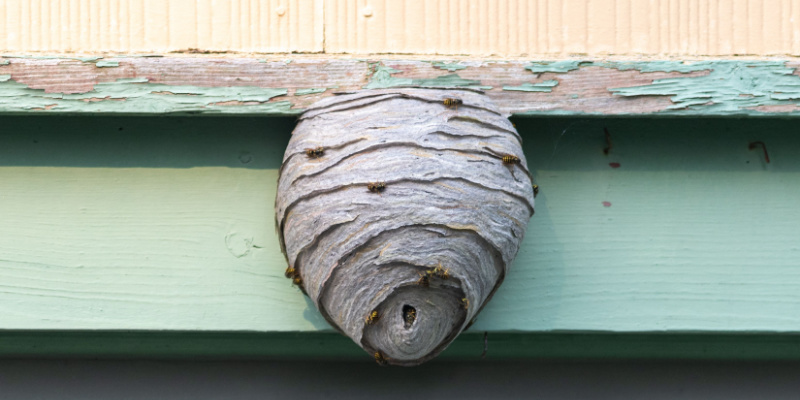
One of the most frequent locations for bee and wasp nests is under eaves, roof overhangs, and other sheltered spots on buildings. These areas provide protection from the elements and easy access to nearby food sources, making them ideal nesting sites. Yellowjackets and paper wasps, in particular, are notorious for building their nests in these sheltered locations.

2. Trees and Shrubs

Bees and wasps often choose trees and shrubs as nesting spots due to the availability of both shelter and food sources. Trees with hollows or cavities, such as dead trees or tree stumps, can provide suitable nesting sites for certain species of bees. Similarly, shrubs with dense foliage can offer bees and wasps a hidden spot to establish their nests.

3. Attics and Wall Voids

Bee and wasp nests hidden within attics and wall voids can pose unique challenges for homeowners. In search of secure and secluded locations, these insects can find their way into your home through small openings and build nests in these spaces. The insulation and structural materials provide warmth and protection, making attics and wall voids attractive nesting sites.

4. Underground Burrows

Some species of bees, such as ground-nesting bees and yellowjackets, prefer to establish their nests underground. These insects create burrows in the soil where they construct their nests. These nests can be found in gardens, lawns, and other outdoor areas with loose soil.

5. Roof Rafters and Ceiling Joists

Within structures like barns, sheds, and garages, roof rafters and ceiling joists offer suitable spots for bees and wasps to build their nests. These locations provide stability and support for the nest while allowing the insects to remain hidden from view.

6. Outdoor Furniture and Equipment

Unused outdoor furniture, gardening equipment, and playground equipment can become potential nesting sites for bees and wasps. These objects provide the insects with sheltered and undisturbed areas where they can establish their nests away from human activity.

7. Utility Boxes and Electrical Fixtures

In urban environments, utility boxes, electrical fixtures, and junction boxes may provide appealing nesting spots for certain bee and wasp species. The enclosed spaces and warmth generated by these structures can mimic natural nesting conditions.

8. Unattended Containers

Containers such as barrels, buckets, and even children’s toys left outdoors can become nesting sites for ground-nesting bees and wasps. The insects take advantage of the hollow spaces within these items to create their nests.

9. Garden Structures

Garden structures, such as pergolas, trellises, and gazebos, can also be chosen by bees and wasps for nest construction. The structure’s design can offer both protection and stability, making it an attractive location for these insects.

As important pollinators and contributors to our ecosystem, bees and wasps play a vital role in maintaining biodiversity. However, their presence near human habitats can lead to potential risks and conflicts. By understanding the common places where bee and wasp nests are found, you can take proactive steps to prevent or manage infestations. When dealing with nests, it’s often best to seek professional assistance from Abarb Pest Services to ensure the safety of both humans and these essential insects. By fostering a coexisting environment that respects the habitats of bees and wasps, we can strike a balance between conservation and human comfort.

Categories
Bees & Wasps

Bee Removal Service in Passaic County

Passaic County is home to a wide variety of bee species, and with that comes the need for professional bee removal services. Bee removal companies provide an essential service to protect residents from the potential dangers of bees. However, properly removing bees from properties requires specialized expertise, so it’s important to know what to look for when seeking a bee removal service in Passaic County.

What is a Bee Removal Service?

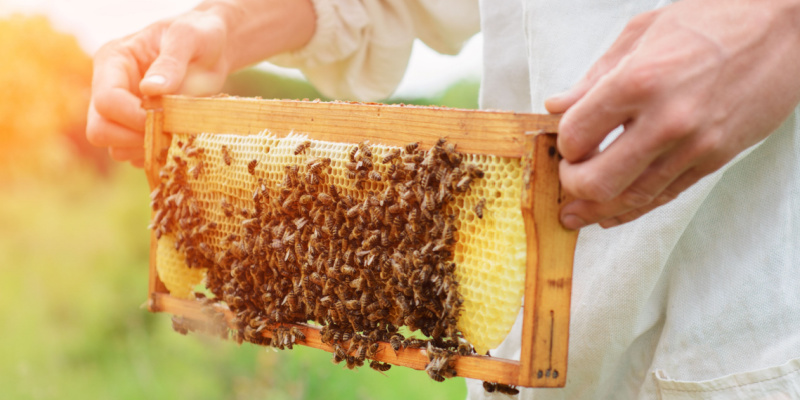
A bee removal service is a professional service that specializes in the safe and humane removal of bees from residential and commercial properties. These professionals are trained to identify different types of bees and the best removal methods without harming the bees or the environment. Bee removal services typically use specialized equipment and techniques to safely remove the bees and relocate them to a more appropriate location.

Here are some key things to know about bee removal services:

  1. They use safe and humane methods: Professional bee removal services use safe and humane methods for both humans and bees. These methods include using specialized equipment to capture and remove the bees, relocating the colony to a safe location, and sealing up any entry points to prevent bees from returning.
  1. They have the expertise and experience: Bee removal services have the knowledge, experience, and expertise to safely and effectively remove bee colonies from your property. They understand the behavior of bees and know how to handle them without causing harm to the bees or the environment.
  1. They use specialized equipment: Professional bee removal services use specialized equipment such as bee suits, smokers, and vacuum devices to capture and remove bees. They also have the tools needed to remove hives or combs safely as well as the expertise to repair any damage caused by the bees.
  1. They can handle different types of bees: There are many different species of bees, and each species requires a different approach to removal. Professional bee removal services are knowledgeable about the different types of bees and can handle each species safely and effectively.
  1. They can identify and address the root cause: Bee removal services not only remove the bees from your property but also identify and address the root cause of the infestation. In addition, they will inspect your property to find out why the bees were attracted to it and take steps to prevent future infestations.
  1. They prioritize safety: Bee removal services prioritize safety above all else. They take precautions to ensure that both humans and bees are safe during the removal process. They also use eco-friendly methods to ensure that the environment is not harmed during the removal process.
  1. They can provide advice and education: Bee removal services can provide you with advice and education on how to prevent future bee infestations. They can also educate you on the importance of bees and how to promote a bee-friendly environment.

When looking for a bee removal service, choosing a reputable company with experience in safely and effectively removing bees is essential. Here are some things to look for:

  • Licensing and certification

Look for a company that is licensed and certified in bee removal services. This ensures that they have the necessary training and expertise to handle the job safely and effectively.

  • Experience

Look for a company that has experience in bee removal services. An experienced company will better understand bees’ behavior and how to remove them from your property safely.

  • Reviews

Look for reviews of the company online. This can give you an idea of the quality of their services and their reputation in the community.

In conclusion, bee removal services are a valuable resource for homeowners who have a bee infestation on their property. Abarb Pest Services is the go-to choice for bee removal in Passaic County. Their experienced professionals, quality products, and eco-friendly methods ensure the job is completed to the highest standards. Their customer service is professional and friendly, providing customers with all the information they need to make an informed decision about their pest control needs. Abarb Pest Services also offers a variety of services, including rodent removal, mosquito control, and other lawn care services. Call them today!

Categories
Bees & Wasps

Why Are There So Many Bees Around My Home?

Recent years have seen a major resurgence of wild and domesticated bee populations. Bees are an essential part of the ecosystem and play an important role in pollination. Unfortunately, this also means they may end up uninvited in our yards or homes. This article will explore why bees may be attracted to a particular area and what you can do if they’ve taken up residence around your home.

  • Nearby Flowering Plants: Bees may be attracted to your home because of the abundance of flowering plants and trees in your area. Bees require nectar and pollen as their primary sources of food, and blooming plants provide them with both. If you have a garden or extensive landscaping, there is a higher probability of bees being attracted to your property.
  • Nesting Sites: Another reason for the presence of bees around your home is the availability of nesting sites. Bees typically seek out cavities, cracks, and crevices to build their hives. Your home’s structure may be ideal for the bees to build their hives, such as in walls, attics, and chimneys. If you have wooden structures around your home, bees may also be attracted to them for nesting.
  • Bee Swarms: Bee swarms are another common reason for bees to gather around your home. Swarms occur when a colony of bees outgrows its current home and must find a new location. During this process, the bees will cluster together in a large group, often on a tree or other outdoor structure, while scouts search for a new home. If you notice a swarm of bees near your home, it’s essential to keep your distance and contact a beekeeper or pest control expert. Swarms are generally not aggressive, but it’s best to leave their removal to the experts.
  • Something Sweet: Additionally, bees may be attracted to your home due to the presence of sweet or sugary substances. For instance, if you leave your sugary drinks or food outside, bees may come to feed on them. Similarly, if you have a fruit tree in your yard that produces many ripe fruit, bees will be attracted to the sweet scent.
  • Weather Conditions: Bees are sensitive to changes in weather conditions and may seek shelter near your home during inclement weather. For example, on hot and humid days, bees may gather around shaded areas of your home, such as porches or decks, to escape the heat. Similarly, during periods of heavy rain, bees may seek refuge in areas with cover, such as eaves or overhangs. Therefore, if you notice a large number of bees around your home during specific weather conditions, it’s likely that they are seeking shelter from the elements.
  • Nearby Water Sources: Bees need access to water, just like any other living creature. If you have a pool, pond, or another water source near your home, bees may gather around these areas to drink. Bees may also be attracted to leaks or standing water, so fix any leaks or remove standing water from your property.

If you notice bees nesting in or around your home, it is best to seek professional help rather than trying to remove the hive yourself. Beekeepers or pest control experts can safely remove the bees and relocate them to a new location where they can continue to thrive. Also, if you or someone in your household is allergic to bee stings, it is crucial to take appropriate precautions, such as carrying an EpiPen and wearing protective clothing when outdoors.

In conclusion, bees are beneficial to our environment, and we should all make an effort to protect them. However, remember that when bees become a nuisance or a threat to safety, action should be taken immediately. If you find yourself in this situation, contact Abarb Pest Services for safe and effective bee removal services. With their years of experience and knowledge of bee behavior, they will ensure that your home is free from bees in no time at all.